RATING
1 star
N/A = good but not on the scale
1 star = perspective supplementing
2 stars = perspective influencing
3 stars = perspective altering
SHORT SUMMARY (272 words or less)
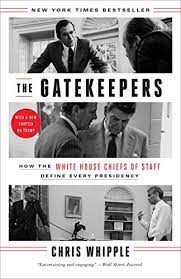
This was an entertaining book, though I don’t have much that I have taken from it. Taking a step back, the larger takeaway for me is that every leader needs a “truth to power” person by his or her side. Someone who will tell you what you don’t want to hear and who will understand your strengths and weaknesses, playing up to the former and making up for the latter. But this isn’t anything that we didn’t already know. So I walked away with interesting tid-bits, which I will share.
I don’t know much about Jimmy Carter, but I have learned through this book that despite being one of the smartest men to hold the Presidency, the author theorizes that he was ultimately undone by the lack of organization that a chief of staff would bring (he didn’t have one for the first few years of his Presidency). However, I learn and watch about his Crisis of Confidence speech, and I wish more politicians talked like this.
The hub and spoke approach does not work for Chiefs of Staff — you need one head of the staff that can coordinate and quarterback issues for the President.
Bush (43) basically operated without an empowered chief, relying on Cheney to guide a lot of decisions. Obama had an effective chief with Emmanuel but later chiefs of staff were weak.
Overall, it was a good read, not mind blowing, but also not boring either.
 Book Summaries. Less than 272 words.